
From MVP to Full Release: Your Roadmap for Bringing a Product to Market
Walks through the roadmap from MVP to full release — product development, market validation, and going to market.

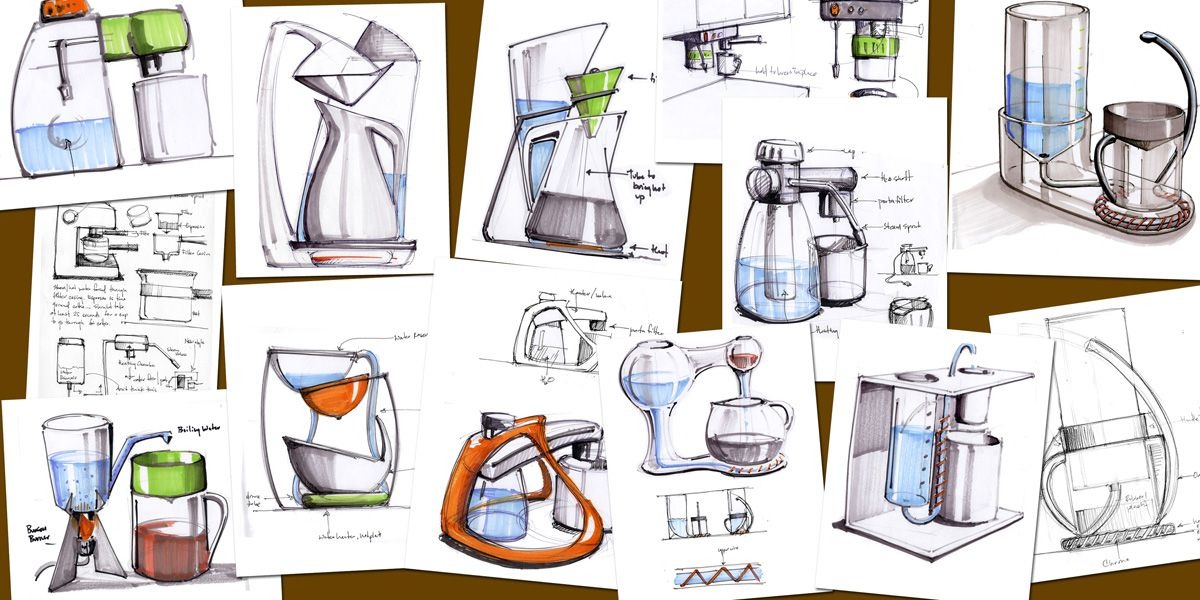
The journey from MVP to full release describes the path a product takes from idea to market launch. Many factors are taken into account during product development. There are several routes to make the process more practical.

What Is an MVP?
An MVP — or product roadmap management — is one of your most important aids in launching a product. You need a strong roadmap for a product's production and marketing process. Businesses operating in various sectors, particularly start-ups, do extensive research when they want to bring a new product to market. The first concept they encounter as a result of that research is the MVP.
A product — the concrete form of an idea — goes through many different processes before it appears. Some products' ideas are reliable enough, but predicting what'll come up once they're made concrete can be hard. To help prevent issues during this period and to contribute to making the resulting product reliable, the MVP plays an important role.
Made up of the initials of "minimum viable product", the MVP is a method used to get easy feedback from the target audience with minimum effort and to identify the need for the product in the market. With this, a product is made concrete with the most affordable price and the simplest concepts and brought to market. Then feedback comes in, and based on that the developed product is brought into line with consumer expectations.

From MVP to Full Release: What Are the Stages of Bringing a Product to Market?
Every product has its own life cycle. That said, the ideas put forward for products are also variable. That suggests there can be variations among the stages of bringing a product to market. But the routes followed when launching a successful product are similar. The launch stage of products is also considered the product life cycle.
The launch stages — i.e., the life cycle — consist of five different stages: development, introduction, growth, maturity, and decline. Although still in use today, this method began to be applied for the first time in 1965. The time from forming the product's concept to its withdrawal from the market is called the life cycle. Each stage has decisions and strategies that get made and applied.
For a product to succeed, the launch stages are considered the most important factor to mind. To make the product launched into the market successful and effective enough, you may need to get professional support for the stages followed up to launch. That's how you'll minimize potential problems and get maximum return from the product going to market.
What Should You Mind When Bringing a Product to Market?
There are many factors to mind when bringing a product to market. Having quality knowledge about these factors or working with experts in the field prevents problems with what to mind when launching a product. It also ensures any potential problems are resolved for you. There are six important points to mind when launching a product. They are:
Market research must be done with quality.
The concept must be developed.
The right agreements must be made on the manufacturer side.
A unique brand identity must be built.
Iterative marketing must be tried.
The right sales channels must be picked.
So the factors to mind when launching a product are extensive. From production to launch, these factors play one of the most important roles in maximizing the feedback you get once the product is on the market.