
5 Critical Factors to Mind in MVP Product Development
Explains the critical factors in MVP development — target audience, core features, prototype, feedback, and testing.


MVP product development helps the product you bring to market reach its target audience quickly. Accordingly, there are critical factors to mind during product development. If you don't know enough about them, a consulting service can help. The consulting service that helps you handle the process professionally creates important advantages for succeeding with an MVP product.
Defining the Target Audience
A short answer to "what is an MVP product?" is a product brought to market through a defined process and aiming to reach its target audience as quickly as possible after launch. There is a general process for creating an MVP. Within this period there are also factors to mind. Knowing about them helps you handle the process more professionally.
It also helps prevent issues that may arise.
The most critical factor during MVP product development is defining the target audience. If you can define your target audience effectively, the rest of the process becomes easier to handle. Once you've defined your target audience, you'll know who will use your product, what problems it aims to solve, and what needs it'll meet.
5 Critical Factors in MVP Development

Defining the Core Features
Another important factor to mind during MVP product development is defining the core features. Listing the product's priorities and identifying which features it needs to provide its core functionality are part of this step. If you do well in defining the core features, the chance of running into problems during the process is minimized.
Building a Prototype
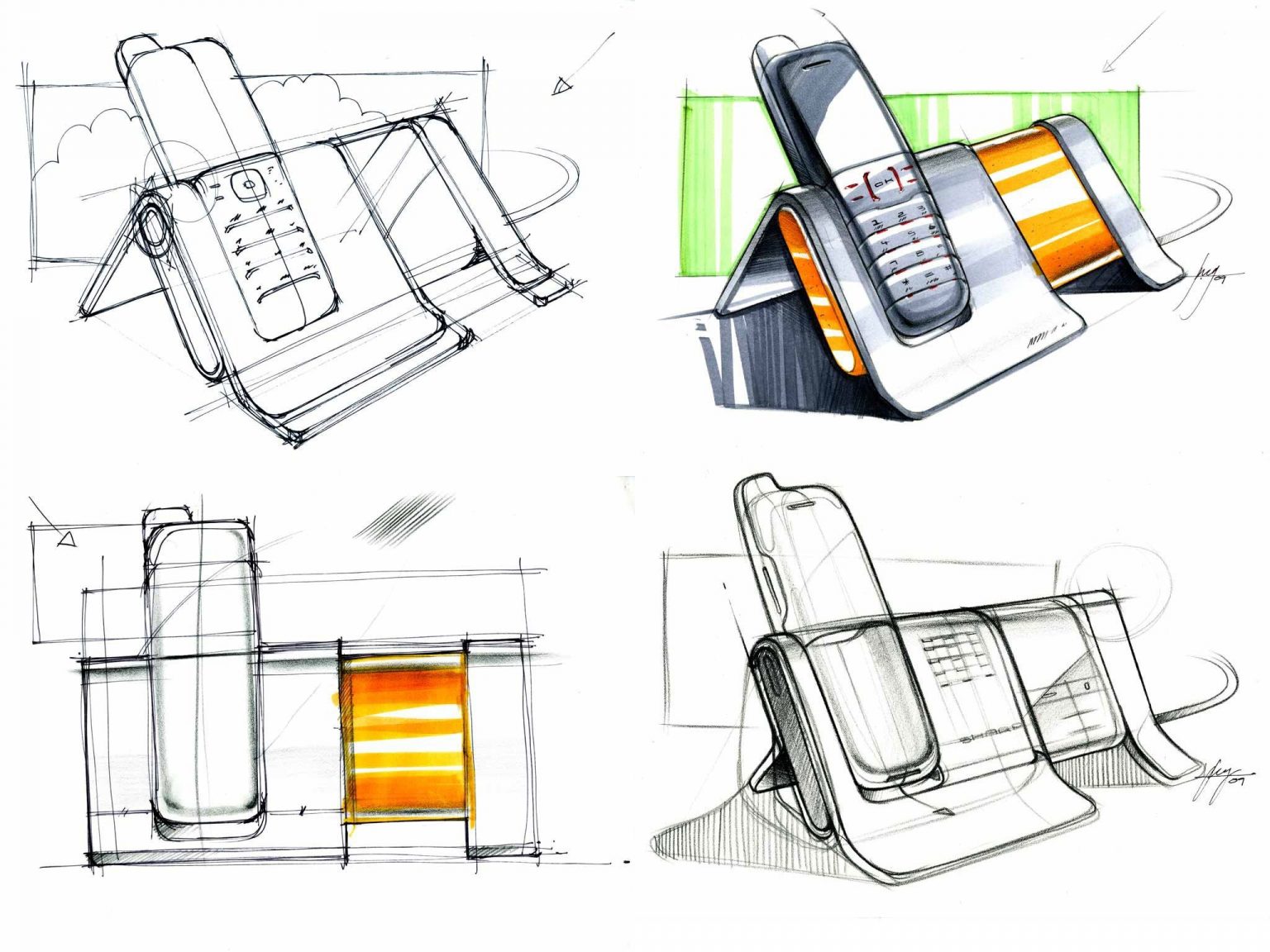
Building a prototype can be considered a simple version of the product that delivers minimal functionality and lets you measure the target audience's reactions. MVP examples can be tested by the target audience thanks to a prototype. Looked at this way, building a prototype tells you what kind of effect the product will have on your target audience.
5 Critical Factors in MVP Development
Collecting Feedback
During prototype testing, target-audience feedback is collected. That moves you to the feedback collection stage. Among the MVP product stages, the feedback collection stage plays one of the most important roles in product development. To improve the product, the feedback gained from prototype tests must be analyzed, and the factors that need to change must be understood.
The feedback you get via the prototype helps you improve the product and change various points. An MVP must provide a defined functionality. So solving the target audience's problems as quickly as possible matters. Through feedback, the MVP development process becomes more practical and effective.
Testing
Testing — among the MVP product development stages and considered one of the most important factors — is the most critical step before launching the product. When the product's processes are complete, it must be tested by the target audience. The testing stage, one of the most important steps to make sure the product meets real users' needs, also helps evaluate the feedback. Comments made during the testing stage are evaluated as feedback.
Feedback plays an important role in updating and improving the product later on. Thinking that a product doesn't have to go through any stage after being brought to market is wrong. Periodic product follow-up and, if needed, updates based on feedback must happen. That's how the product's continuity and success are ensured.