
How to Optimize Your Processes with DevOps
Explains DevOps, how it improves development and operations processes, and its contributions to optimization.

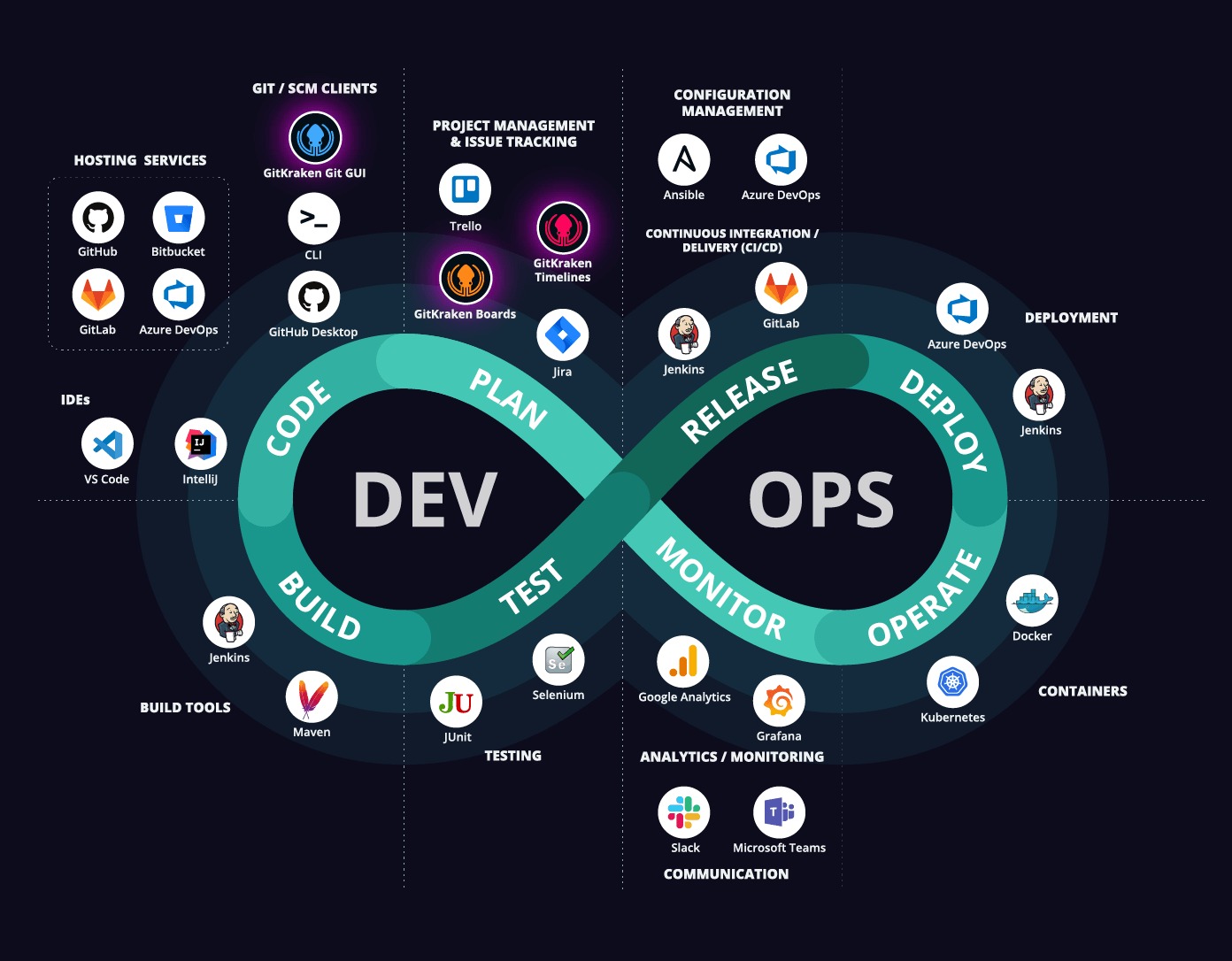
If you want a simple answer to "what is DevOps?" — it is the union of two areas: development and operations. Backed by a self-proven middleware platform built on standards, DevOps relies on a standardized development methodology, with open communication and documentation throughout.
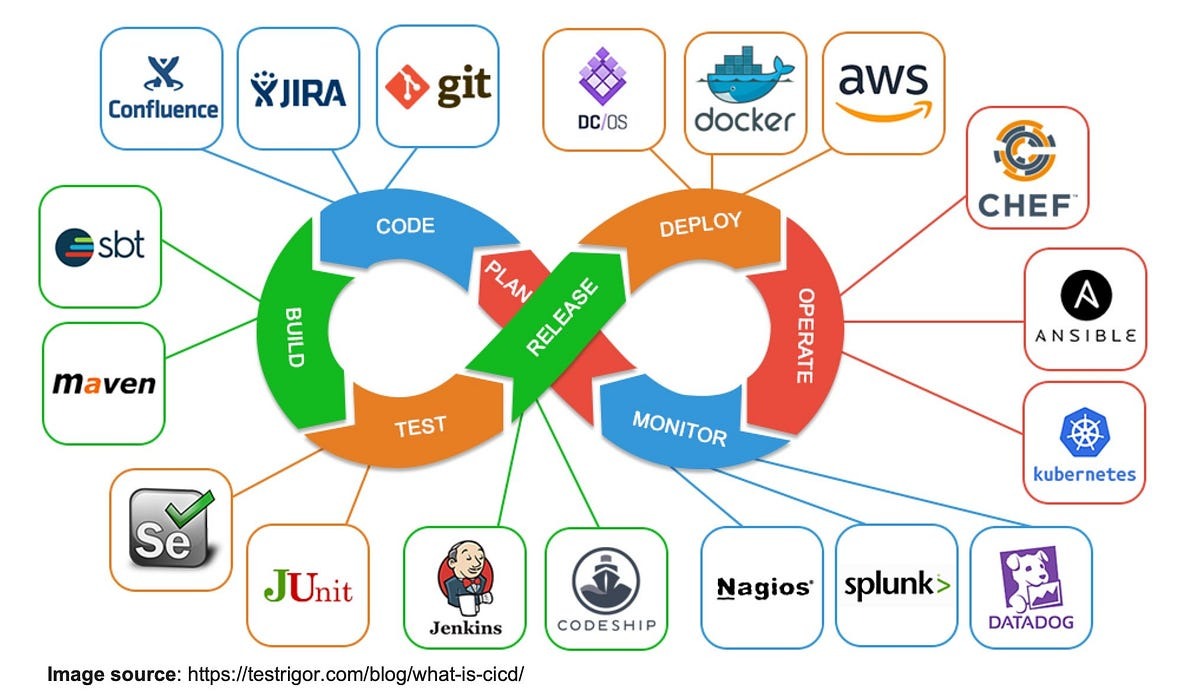
What Is the Goal of DevOps?
Improving application development and management cycles, increasing IT infrastructure availability, providing agility, and offering security are among the important traits driving DevOps adoption. Used to connect products and processes, DevOps aims to align IT with the business.
DevOps Development
What Is a DevOps Engineer and What Do They Do?
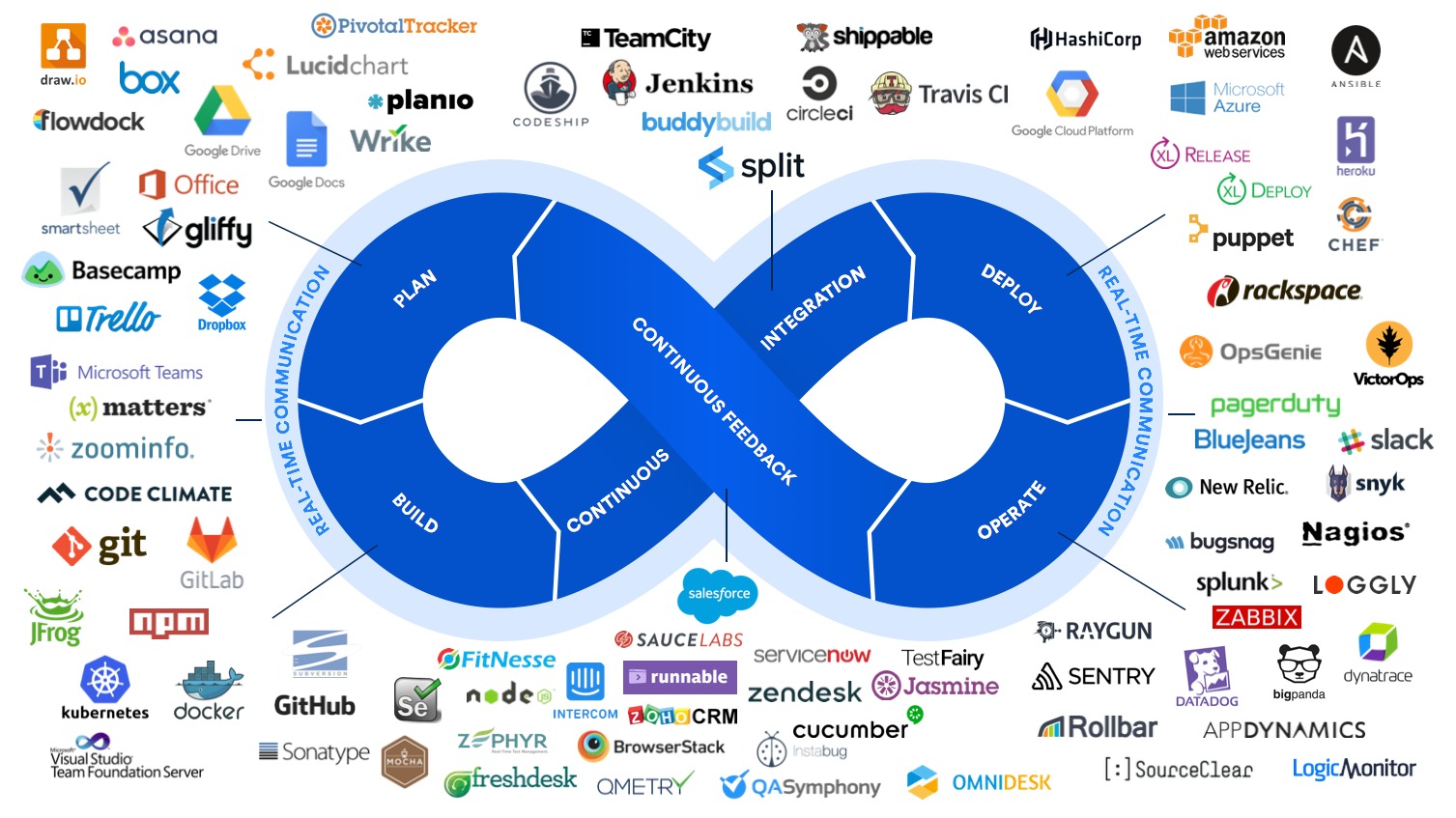
Curiosity around "what is a DevOps engineer and what do they do?" grows by the day. There are several answers to what a DevOps engineer does. The strategic model that fills the gap between software developers and IT is called DevOps. People who work using this model are DevOps engineers. The answers to "what does DevOps do?" include:
Code development,
Working on testing and deployment processes,
Continuously providing integration.
What Does DevOps Development Mean?
The growth of technology has produced new concepts daily. Many people are curious about what "DevOps" — one of the most-used concepts in recent years — actually stands for. The term comes from combining "development" and "operations".
DevOps development brings many advantages by speeding up product-development processes. Software has gone through gradual change to integrate into nearly every field, particularly in the past 20 years. Through each of these capabilities, software and data have emerged as clean integrations, and integrations themselves have grown more widespread.
DevOps Development
What Benefits Does DevOps Development Provide?
There are many advantages on the DevOps roadmap. Chief among them is optimizing development processes. Other advantages of the system include:
The DevOps model meets the core needs of the technology lifecycle and runs various optimizations to do so. In many cases, DevOps uses cutting-edge machine learning and AI solutions to speed up the process — which is a significant acceleration advantage.
The DevOps approach also delivers gains in quality. The acceleration it provides helps bring high-quality and reliability opportunities along with it. On the DevOps development side, it enables better tools for problem-solving and integration collaborations.
DevOps development, considered one of the most-preferred methods of recent years, also plays a successful role in security. With DevOps, you encounter several layers aimed at increasing your overall security. From a functional standpoint, this includes security team integration, which means it plays an important role in security as well.
DevOps is a scalable system. Supporting the entire lifecycle — agile resources, software development, automation — the system helps scale infrastructure when needed.
Considering all the advantages, DevOps training is a detailed and comprehensive process. All the advantages it provides help you succeed in optimizing development processes. You too can take advantage of professional training to optimize your development processes and make them more efficient.